
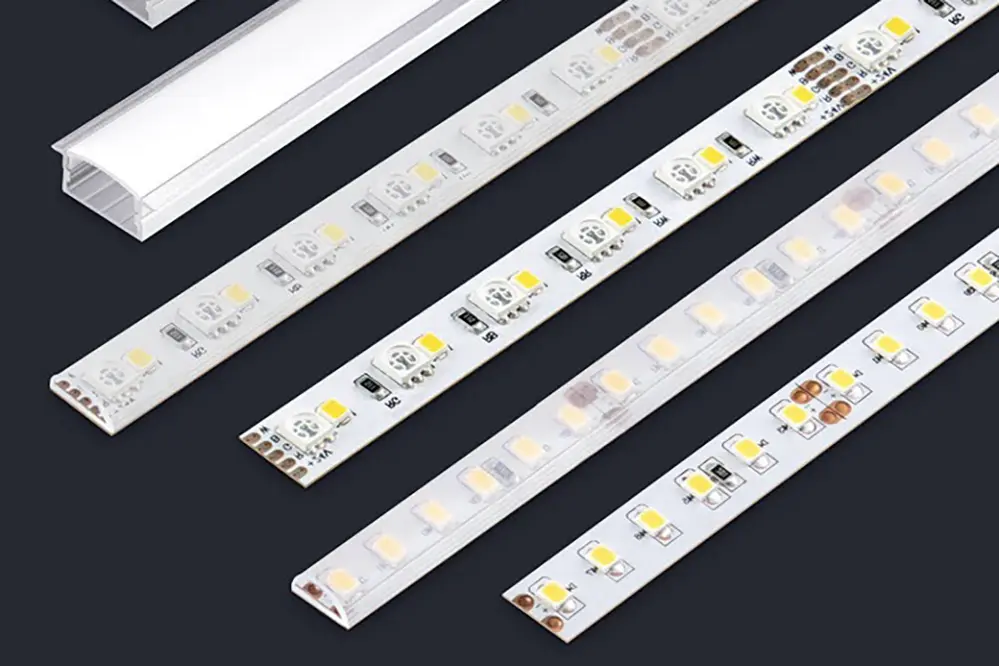
In the dynamic realm of lighting technology, a crucial question often surfaces: in the battle of LED strip lights versus tube lights, which emerges as the superior choice? This query isn’t easily answered as it involves a spectrum of considerations, ranging from aesthetic appeal and energy efficiency to ease of installation and product longevity. These factors play pivotal roles in determining the ideal lighting solution.
I am Tom, a seasoned veteran in the LED industry since 2005. My extensive experience navigating through the complexities of LED technology has endowed me with valuable insights and expertise in a sector that’s constantly evolving; keeping pace means thoroughly understanding the subtleties and advantages of popular lighting options like LED strips and tube lights. My goal is to impart this knowledge, helping you stay informed and ahead in this ever-changing industry.
Embarking on this blog post, we aim to demystify the nuances of LED Strip vs Tube Lights. We’ll engage in an in-depth comparison covering various aspects such as design, energy efficiency, installation processes, and cost implications. Whether you are considering a modern upgrade for your office or contemplating a lighting revamp in your home, this guide is crafted to illuminate your decision-making process. Are you ready to explore this enlightening topic? Let’s dive in and shed light on the intricate details of LED strip and tube lights, commencing our enlightening journey into the world of LED lighting. Let’s get started right away!
Understanding LED Strip Lights: A Fusion of Elegance and Versatility
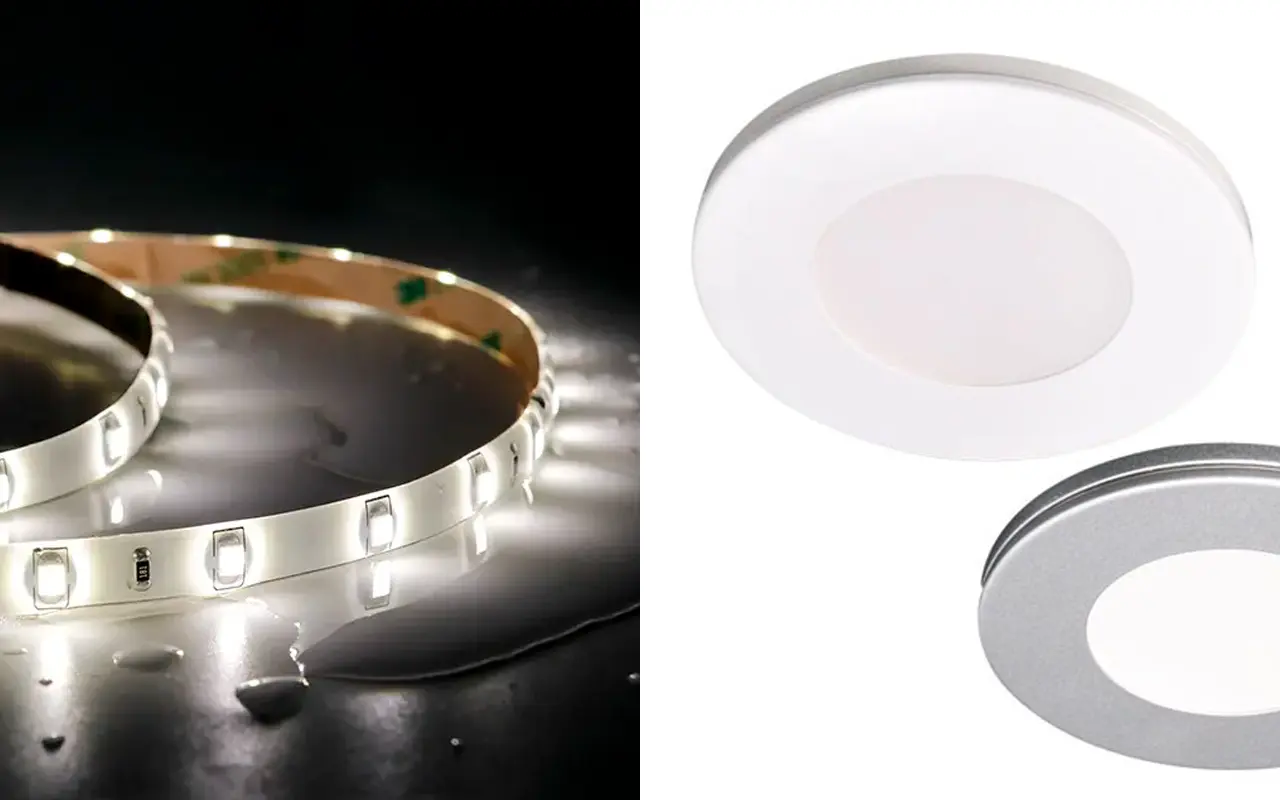
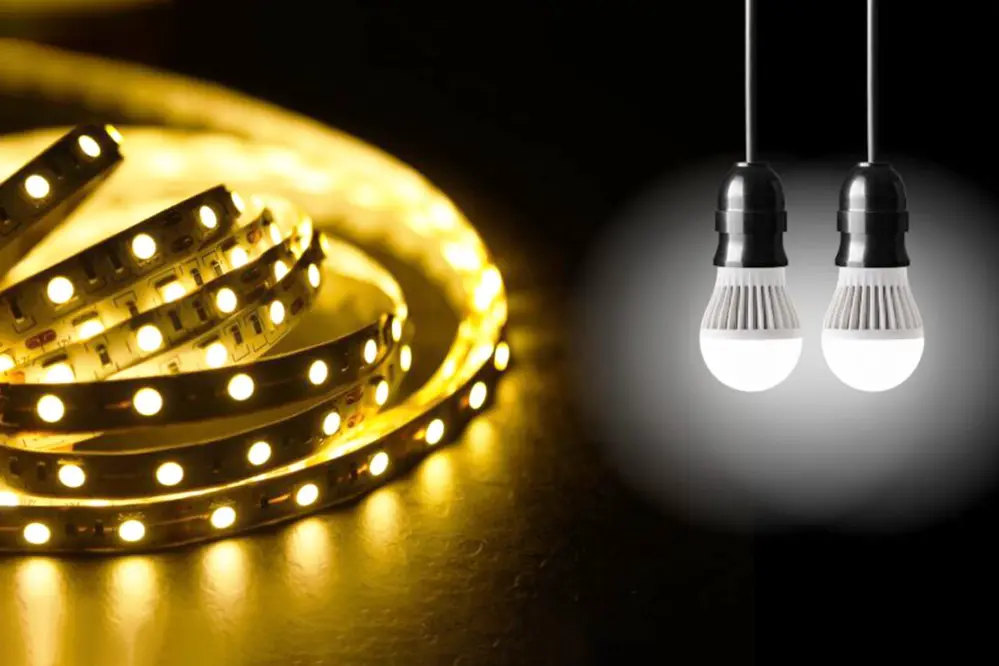
LED strip lights, a groundbreaking innovation in the lighting industry, present a harmonious blend of aesthetic appeal and practical functionality. Characterized by their slender profile, typically only a few millimeters in thickness, these lights offer a discreet yet potent lighting solution. When inactive, they are nearly invisible, but once illuminated, they provide an impressive intensity of light. It’s this blend of sleek design and adaptability that distinguishes LED strip lights in the lighting spectrum.
Notably versatile, LED strip lights can be tailored to specific lengths, catering to diverse requirements and spaces. They excel in accentuating architectural details or providing focused task lighting, such as under kitchen cabinets. Their flexibility extends to the spectrum of colors and temperatures available, enabling the creation of varied ambiances and atmospheres within any setting.
Energy efficiency is a significant attribute of LED strip lights. Their lower power consumption, compared to conventional lighting solutions, translates into long-term cost-effectiveness. Additionally, their minimal heat emission enhances safety, particularly in confined or delicate areas where traditional bulbs may present hazards. However, the installation of LED strip lights demands careful planning, from understanding power needs to ensuring a secure and proper setup.
Exploring LED Tube Lights: Contemporary and Efficient Lighting Solution
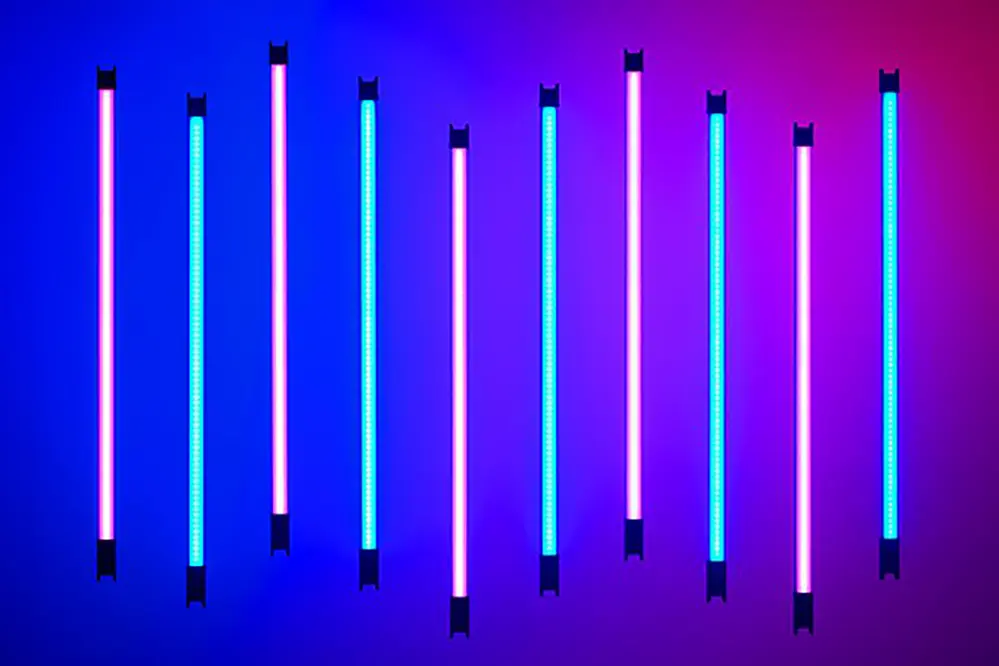
LED tube lights emerge as a contemporary substitute for traditional fluorescent tubes, melding the classic form with advanced LED technology. They are particularly acclaimed for their straightforward installation, making them a prime option for updating existing fluorescent setups in commercial and industrial environments.
These lights provide consistent and bright illumination, crucial in settings that demand clear visibility, such as offices, workshops, and retail areas. For emitting light across a 360-degree span, LED tube lights ensure an even distribution of light, minimizing shadows and glare.
One of the primary advantages of LED tube lights is their enhanced energy efficiency. They consume substantially less power than traditional fluorescent tubes, leading to noticeable reductions in energy costs and a decreased environmental impact. Additionally, their lack of hazardous materials like mercury renders them a safer and more eco-friendly choice.
Durability stands as another key feature of LED tube lights. Their robust construction makes them less susceptible to damage, and they typically outlast their fluorescent counterparts, reducing the frequency of replacements and maintenance. This durability, coupled with energy savings, positions LED tube lights as a cost-effective and long-lasting lighting solution.
Detailed Comparison: LED Strip vs Tube Lights
Diving into the specifics of LED strip and tube lights reveals key differences and similarities that are essential for an informed decision. Each has unique attributes that cater to diverse lighting requirements.
Design and Aesthetics
LED strip lights are celebrated for their contemporary design and remarkable flexibility. Their slim, bendable nature allows for creative integration in various settings – hidden under cabinets, tracing architectural lines, or in artistic installations. Their customizable length adds to their versatility, making them a go-to for modern design enthusiasts.
In contrast, LED tube lights offer a more traditional, linear aesthetic. Their uniform light distribution is ideal for environments needing consistent, bright illumination, such as offices and retail spaces. Their conventional design is a familiar sight, often preferred for its straightforward and functional appeal.
Energy Efficiency and Performance
Both LED strips and tube lights excel in energy efficiency. LED strips, with their smaller size, are particularly suited for low-power, targeted lighting like accentuation or mood setting. Tube lights, designed for broader illumination, are the choice for task-intensive areas, combining energy efficiency with high-quality light output.
Installation and Maintenance
Installation complexity varies between the two. LED strip lights require a more intricate setup involving precise wiring and power management. This allows for greater customization but might be daunting for the DIY novice.
LED tube lights, on the other hand, are more straightforward to install, often fitting directly into existing fluorescent fixtures, making them ideal for specific upgrades.
Cost-Effectiveness
Evaluating cost-effectiveness involves considering initial costs against long-term savings. LED strip lights, while more expensive upfront due to additional components, can be more cost-effective in the long run due to their energy efficiency and longevity.
Conversely, LED tube lights often present a lower initial investment, especially when retrofitting, and offer significant long-term savings in energy and maintenance.
Durability and Lifespan
Durability is a crucial aspect of both options. LED strip and tube lights are known for their extended lifespans, often exceeding tens of thousands of hours. The longevity of each, however, can be influenced by usage patterns, environmental conditions, and product quality.
Pros and Cons Analysis
Weighing the pros and cons of LED strip and tube lights is essential to determine the best fit for specific needs and contexts.
Vorteile von LED-Leuchtbändern
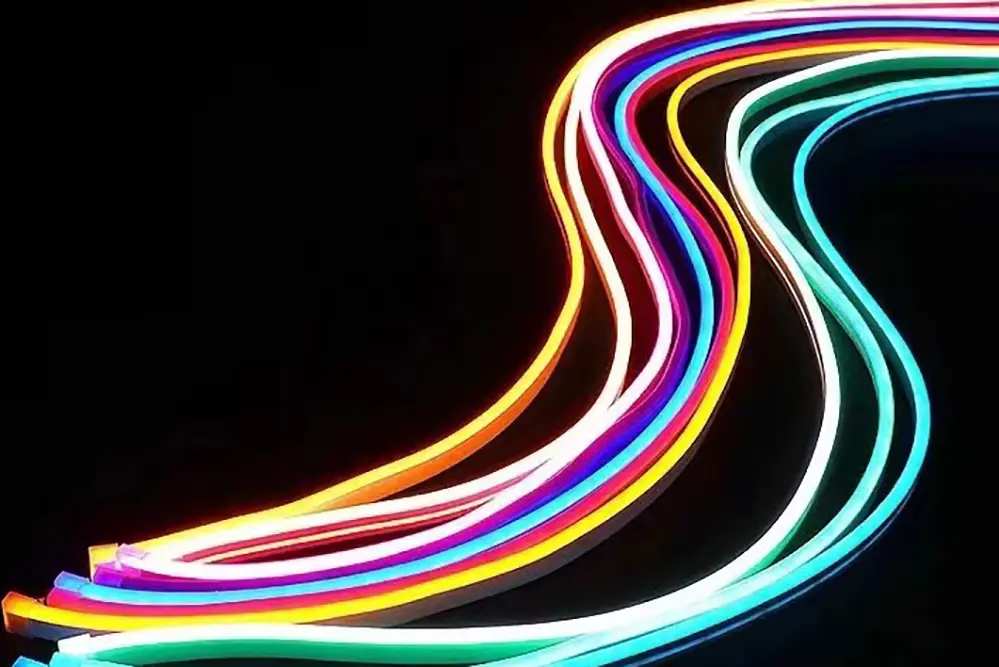
LED strip lights shine with their extraordinary flexibility. They can be tailored to fit into various spaces, bent around curves, and offer a wide range of color options. Their modern design integrates well into contemporary spaces, making them ideal for both aesthetic and functional purposes. Their energy efficiency and low power consumption are significant advantages for cost-conscious consumers.
Downsides of LED Strip Lights
The main drawbacks of LED strip lights include their complex installation process and the need for additional components like power supplies and controllers. The durability of their adhesive backings can also be a concern, requiring extra mounting solutions in some environments.
Benefits of LED Tube Lights
LED tube lights are favored for their ease of installation, particularly in retrofitting projects. Their familiar design and robust build make them a reliable choice for traditional lighting needs. They are energy-efficient, with a longer lifespan than conventional fluorescent tubes, making them cost-effective in the long run.
Limitations of LED Tube Lights
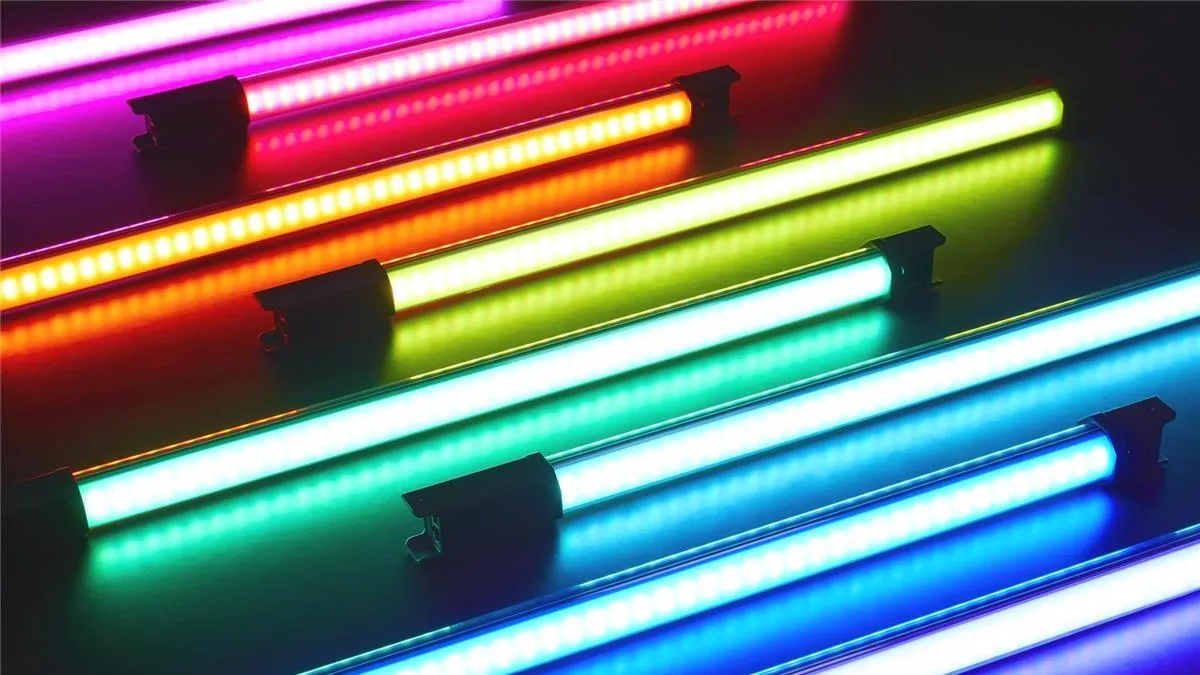
The primary limitation of LED tube lights is their limited design flexibility. They are best suited for traditional, linear lighting applications and may not suit spaces requiring creative lighting solutions. Additionally, compatibility issues during retrofitting can be a concern, especially in older installations.
Usage Scenario or Application Field
When selecting between LED strips and tube lights, consider the specific usage scenario or application field. LED strip lights are ideal for decorative, accent, and mood lighting in homes, commercial spaces, and artistic settings. Their adaptability makes them suitable for unique lighting designs.
LED tube lights, conversely, are more suited for general illumination in commercial, industrial, and residential areas where consistent and reliable lighting is required. They are ideal for offices, classrooms, garages, and any space that benefits from uniform, bright light.
Selecting the Right Option for Your Needs
Making the right choice between LED strip and tube lights hinges on various factors that are unique to your environment and needs. It’s essential to consider a blend of aesthetic preferences, functional requirements, and practical installation considerations to ensure the chosen lighting solution aligns perfectly with your space.
For those seeking a lighting option that allows for creativity and customization, LED strip lights are unparalleled. They offer a modern and versatile solution, ideal for creating unique lighting designs. These lights are particularly suitable for spaces where aesthetics are a priority, such as in-home interiors, retail displays, or artistic installations. Their ability to be cut to size and their flexibility in color and brightness make them a top choice for bespoke lighting designs.
In contrast, LED tube lights are the go-to solution for traditional and straightforward lighting needs. They excel in environments where consistent and reliable illumination is key. Their ease of installation makes them an ideal choice for upgrading existing fluorescent setups in commercial buildings, industrial areas, and educational institutions. If your primary requirement is functional, uniform lighting with minimal installation complexity, LED tube lights are an excellent choice.
To further guide your decision, consider the following key points:
- Aesthetics: LED strip lights offer a sleek, contemporary look, while tube lights provide a more traditional, uniform appearance.
- Functionality: Strip lights are best for mood lighting and accents, whereas tube lights are suited for general illumination.
- Installation: Strip lights require more planning and additional components, making them a more involved project. Tube lights are easier to install, especially in retrofit situations.
- Cost-effectiveness: Consider both the initial investment and long-term savings. Strip lights may have a higher upfront cost but offer more significant energy savings over time.
- Durability and lifespan: Both options offer long-lasting performance, which can vary based on the product quality and usage conditions.
Ultimately, your choice between LED strips and tube lights should be informed by carefully assessing how each option meets your specific needs and enhances your space. Whether it’s the flexible creativity of strip lights or the straightforward functionality of tube lights, each has its unique strengths to consider.
Technical Queries and Solutions
Gaining insights from real-world applications and user feedback is invaluable in understanding the practical aspects of LED strips and tube lights. This section delves into common technical queries and presents solutions based on actual user experiences and case studies.
Installation Queries
Case studies reveal that for those upgrading from T8 fixtures, LED tube lights offer a seamless transition. In a recent commercial retrofitting project, a chain of retail stores replaced their old T8 fluorescent tubes with LED tube lights. The transition was straightforward, as the LED tubes fit directly into the existing fixtures, significantly reducing installation time and cost.
In contrast, LED strip lights often require more attention to detail during installation, particularly in terms of voltage compatibility and dimmer switches. A case study involving a modern home renovation highlighted the need for additional wiring and the use of a compatible power supply to ensure the LED strips functioned correctly with existing dimmer switches. The project demonstrated the importance of careful planning and consideration of existing electrical systems when installing LED strip lights.
Power and Performance Questions
Power consumption and performance are critical factors in choosing the right LED solution. A comparative study in an office setting showed that LED strips, requiring 12 volts DC, were more energy-efficient for accent and mood lighting compared to traditional track lighting systems. The study also noted the importance of ensuring compatibility with the building’s existing power infrastructure to optimize performance and energy efficiency.
In another case, a restaurant opted for LED tube lights to replace their old fluorescent bulbs. The switch resulted in a significant reduction in power consumption, with the LED tubes offering the same level of brightness at a fraction of the energy cost. This case underlines the energy-saving potential of LED tube lights in commercial settings, where lighting is a major component of energy expenditure.
These real-life examples and user evaluations provide practical insights into the installation, power, and performance aspects of LED strip and tube lights, aiding potential users in making informed decisions based on actual use cases.
Häufig gestellte Fragen
Q: Can LED strip lights replace T8 tube lights in terms of brightness?
A: While LED strip lights can be incredibly bright, T8 tube lights are generally brighter and more suitable for environments needing intense illumination. However, LED strips offer flexibility in brightness levels and color temperatures, making them a versatile option for mood lighting.
Q: Are LED strip lights more energy-efficient than tube lights?
A: Both LED strip and tube lights are energy-efficient, but the efficiency can vary based on the specific product. Generally, LED strips may have a slight edge in efficiency due to their lower power requirements and customizable length.
Q: How long do LED strip lights last compared to tube lights?
A: Both types of lights boast long lifespans, typically ranging from 20,000 to 50,000 hours. However, the lifespan can be influenced by factors like usage patterns and the quality of the product.
Q: Is it easy to install LED strip lights compared to tube lights?
A: LED strip lights require more setup, including wiring and power supply installation. Tube lights, especially when retrofitting existing fixtures, are generally more straightforward and quicker to install.
Q: Can I use my existing dimmer switches with LED strip lights?
A: It depends on the type of dimmer and LED strips. Some LED strips are compatible with standard dimmers, while others may require a specific type, like a TRIAC dimmable power supply.
Q: Are LED strip lights suitable for outdoor use?
A: Yes, but it’s crucial to choose LED strips that are specifically rated for outdoor use, as they will be waterproof and designed to withstand external elements.
Q: Can LED tube lights be used without a ballast?
A: Many modern LED tube lights are designed to work without a ballast, making installation easier and reducing maintenance requirements.
Q: Do LED strip lights cause eye strain?
A: Generally, LED strip lights do not cause eye strain if installed correctly. They provide even, flicker-free lighting, which is easier on the eyes, especially in settings where ambiance is important.
Q: Can LED tube and strip lights be recycled?
A: Yes, both LED tubes and strip lights can be recycled. It’s important to check with local recycling programs for specific disposal guidelines.
Q: Are there color temperature options for LED strips and tube lights?
A: Both LED strip and tube lights offer a range of color temperatures, allowing you to choose a warm, neutral, or cool light based on your preference and the intended use of the space.
Conclusion: Navigating Your LED Lighting Choice
Choosing the right LED lighting, whether it’s LED strip lights or tube lights, involves carefully considering practicality, aesthetics, and functionality. It’s crucial to understand each option’s strengths and limitations and how they align with the specific needs of your space. This decision-making process is not just about selecting a product but about finding a lighting solution that complements and enhances the environment in which it is used.
LED strip lights, known for their versatility and customization, are an excellent choice for those seeking to add a contemporary flair to their spaces. Ideal for crafting unique lighting designs, these lights excel in enhancing the aesthetics of an area while being energy-efficient and adaptable. This makes them a preferred choice for inventive and aesthetic-driven lighting projects. On the other hand, LED tube lights offer a more traditional approach to lighting. They are highly efficient and straightforward, making them suitable for offices and industrial areas where functional and practical illumination is essential. Their ease of installation and familiar design make them a sensible choice for various applications.
In your exploration of the LED lighting landscape, whether it’s the adaptability of LED strip lights or the practicality of tube lights, Unitop emerges as a beacon in this field. As one of China’s leading manufacturers of LED-Leuchtbänder und LED-Neon-Flex, Unitop stands at the forefront of innovation and quality. Our commitment to excellence is evident in every product we craft, ensuring that you receive only the best in LED technology. If you have any further questions or specific requirements, do not hesitate to contact us. At Unitop, we are more than just a manufacturer; we are your partner in illuminating your world with the finest LED solutions. Kontaktieren Sie uns today, and let’s brighten your space with the expertise and professionalism that only Unitop can offer.
Verwandte Beiträge

Tom ist jetzt der Verkaufsleiter von Unitop (China) Co., Limited. Er war in der LED-Beleuchtung Industrie seit 2005. Er ist Experte für Vertrieb und Marketing sowie für Fabrikmanagement. Er mag Bodybuilding und ist außerdem ein verrückter Apple-Fan! Er ist ein fleißiger Kerl und liebt es, neue Dinge zu lernen und auszuprobieren.
E-Mail: tom@unitopledstrip.com WhatsApp: +86-18680307140



Hinterlasse einen Kommentar
An der Diskussion beteiligen?Hinterlasse uns deinen Kommentar!