
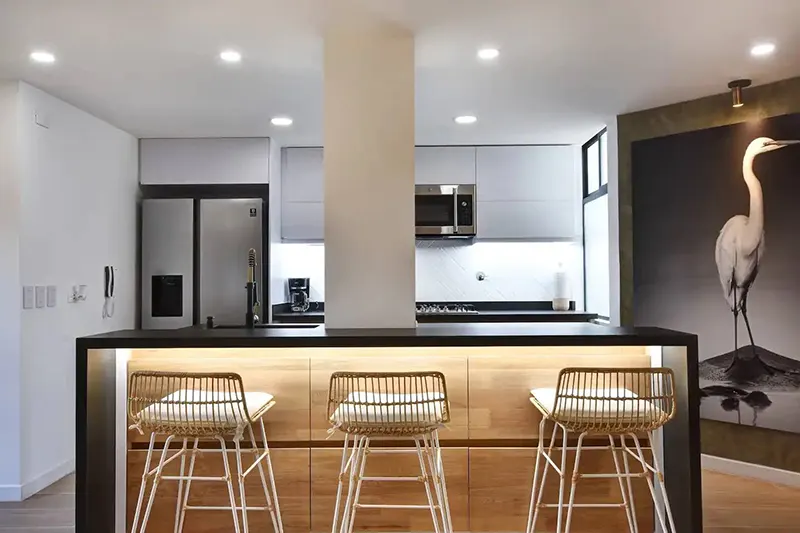
Lighting does more than just provide light; it is an art that combines function and beauty. When choosing the right lighting solution, it’s important to know the differences between direct and indirect lighting.
Whether for homes, offices, or unique architectural spaces, lighting is integral in setting the mood and ensuring practicality.
This guide will provide a comprehensive understanding of direct and indirect lighting, their applications, pros, cons, and more.
Tauchen wir gleich ein!
Understanding Lighting
Direct Lighting Definition
Definition and Use Cases
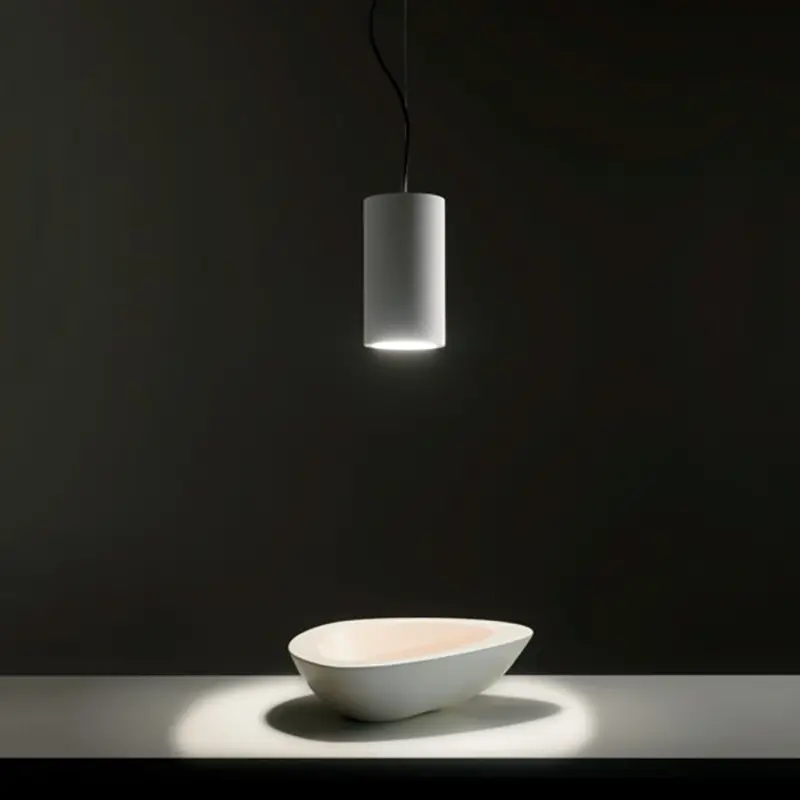
Direct lighting focuses light directly on a specific area or subject. The bright light helps with tasks that need clear vision, such as reading and cooking. Unlike indirect lighting, direct lighting focuses on a specific object or area. This gives you more control and often creates stronger contrasts. Task-oriented spaces benefit from direct lighting as it highlights the subject.
Pros and Cons
Profis: Direct lighting is bright and can be adjusted with dimmers for various tasks or moods. It’s ideal for highlighting artwork or architectural features.
Nachteile: Improperly designed or spaced direct lighting can cause glare. It can also create unappealing shadows. Using screens for too long can strain your eyes. Bright lights can make spaces feel less cozy.
Examples: Downlights, Spotlights
Examples of direct lighting include spotlights and downlights. Spotlights often highlight certain features in a room, like artwork or architectural elements. Downlights are commonly used in places such as workspaces, kitchens, or areas that require focused lighting for tasks. You can change both options to match your preferences and make a versatile design.
What Is Indirect Lighting?
Definition and Use Cases
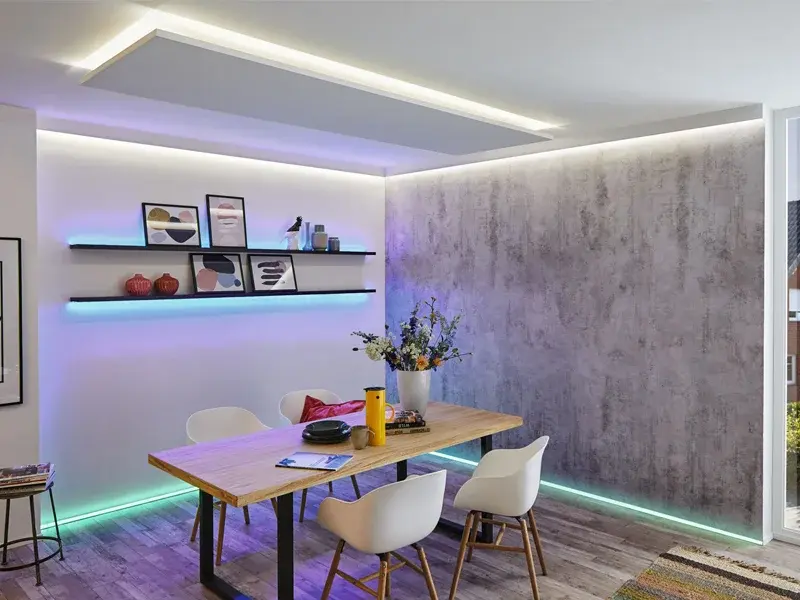
Unlike direct lighting, indirect lighting spreads light in the room by bouncing it off ceilings and walls. Instead of focusing on one thing, it provides overall lighting to make the space more cozy and calm. People often use it in living rooms or bedrooms when they want a softer and more relaxing light. Indirect lighting gets rid of strong shadows and makes a room look bigger.
Pros and Cons
Profis: Indirect lighting evenly spreads light, making the space feel cozy and inviting. The gentle light makes the room look better by reducing strong contrasts of light and dark.
Nachteile: Indirect lighting may not be suitable for tasks requiring focused, sharp lighting. The light has to travel farther and bounce off more surfaces, so it might use more energy.
Examples of Indirect Light Fixtures
This category includes wall sconces, cove lighting, and pendants that reflect light indirectly. You can strategically place wall sconces to reflect light off walls. At the same time, cove lighting often runs along the edges of the ceiling to create a gentle, enveloping glow. Designers can create pendants with upward-facing shades that reflect light off the ceiling. These fixtures make the space look nice and work well. They are both useful and stylish.
In-Depth Comparison: Direct Lighting vs Indirect Lighting
Efficiency and Functionality
Energy Consumption
Both direct and indirect lighting have their unique energy consumption patterns. In certain areas, direct lighting can be very energy-efficient with LED bulbs and careful design. However, indirect lighting gives off a softer glow. It may use more energy because the light bounces off surfaces to fill the room. To save energy, choose the right bulbs, reflectors, and fixtures for different settings and preferences.
Lighting Quality
The quality of lighting differs between direct and indirect approaches. Direct lighting is ideal for tasks that require focus and attention to detail. It offers precision and control. Indirect lighting gives a soft glow that spreads evenly. This makes the room feel cozy and prevents harsh shadows and glare. Direct lighting meets specific needs, while indirect lighting improves comfort and atmosphere.
Flexibilität
In modern lighting design, flexibility is important. Direct and indirect lighting provide different options. Direct lighting can control the timing and intensity, allowing for personalized adjustments. Indirect lighting is versatile. It helps create atmosphere and fits well with the room’s style, influencing emotions. Combining these two can lead to a well-balanced and adaptable lighting environment.
Aesthetic and Design
Room Ambiance
Lighting choices greatly influence the ambiance of a room. Indirect lighting, with its soothing effect, promotes relaxation and well-being. While more intense, direct lighting can emphasize specific elements, adding character and focus. The two lighting types can change how the room feels and help with practical and decorative purposes.
Styling Possibilities
The styling possibilities are virtually endless, with both direct and indirect lighting. You can choose different designs, like bold or subtle, for direct or indirect lighting. Mixing different textures, colors, and forms can completely change the look of a room. They make the space practical and visually appealing.
Highlights Specific Elements
Highlighting specific elements within a space is an art. Direct lighting perfectly showcases art pieces or architectural details, creating drama and attention. On the other hand, indirect lighting can make things look deeper and warmer. It gently highlights textures and shapes. The strategic use of both can create a visually rich environment.
Health and Safety Considerations
Eye Strain and Comfort
Lighting has a significant impact on eye comfort. Incorrect or overly intense usage of direct lighting can strain the eyes. Indirect lighting, on the other hand, is gentler and has a calming effect. Balancing the two ensures that spaces are functional and comfortable for extended periods.
Safety Features
Safety is paramount when choosing lighting. For safe lighting, pick appropriate fixtures, follow guidelines, and consider the space’s requirements. Getting professional help and using good materials is important for preventing accidents.
Indirect Lighting vs Direct Lighting: Pros and Cons Detailed
Focus, Highlight, Safety, Aesthetic
Direct lighting is really good at making certain things stand out and keeping them safe. With careful design, it can also contribute to the overall aesthetics of a space. Indirect lighting reduces glare and creates a calm atmosphere. It enhances the visual experience with direct lighting.
Illusion of Vastness, Reduce Glare, Soothing Effect
Indirect lighting creates an illusion of space, adding a sense of vastness to a room. Many people choose it for their living areas and relaxation spaces because it reduces glare and has a soothing effect. When used with direct lighting, it creates a versatile and visually pleasing environment. It meets both functional and aesthetic needs.
Direct vs Indirect Lighting: Where and When to Use?
Direct Lighting Uses
Startseite & Office, Kitchen, Museum & Art Gallery, Street Lights, For Decoration
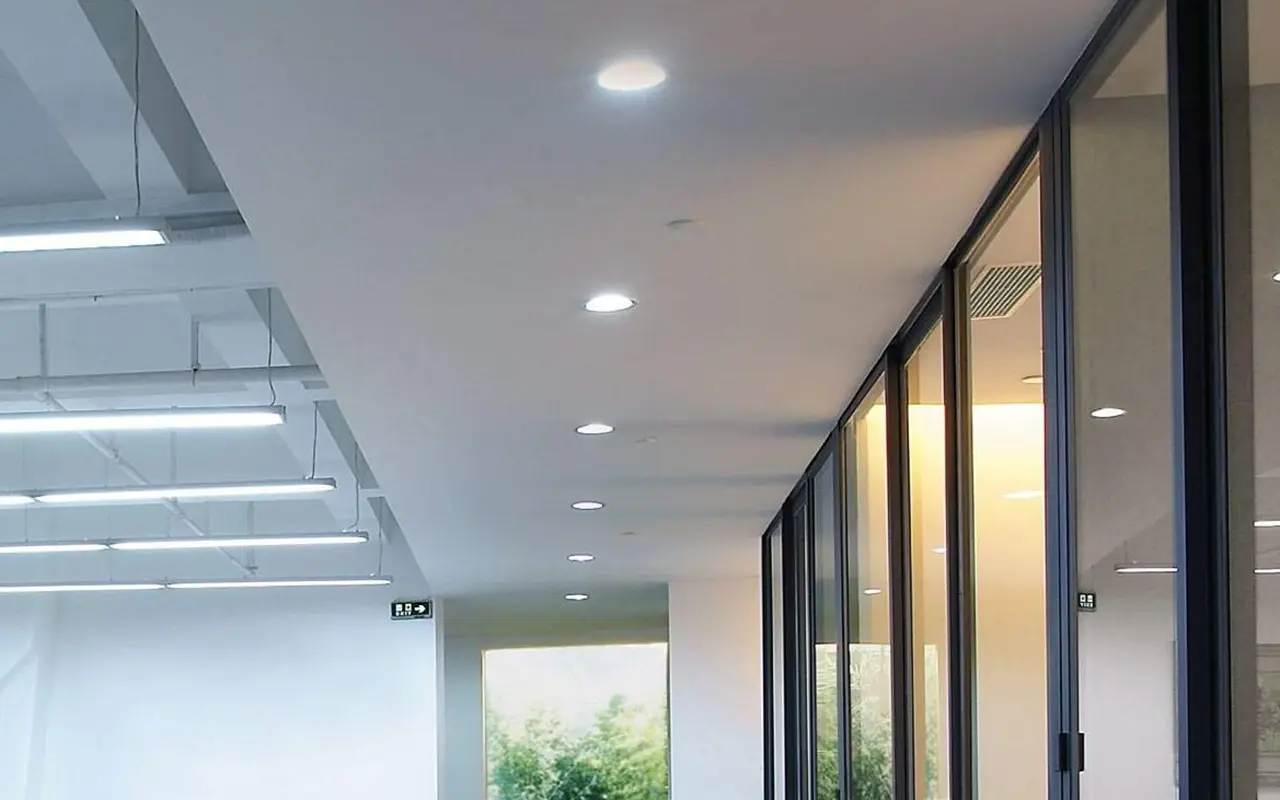
Direct lighting is excellent in environments that require targeted, task-oriented illumination. In-home and office settings, it promotes focus for reading or working on a computer. Properly managing light in a kitchen makes it safer and more functional for cooking. Direct lighting is important in museums and art galleries. It shows artifacts well and controls highlights and shadows. Streetlights also employ direct lighting to illuminate specific paths, enhancing visibility and safety. You can use direct lighting as decoration to create captivating and dramatic effects.
Indirect Lighting Uses
Ceiling & Wall Lighting, Kitchen Cabinet, Bathroom, Automobiles & Marines, Hotel & Restaurants, Architectural Designs
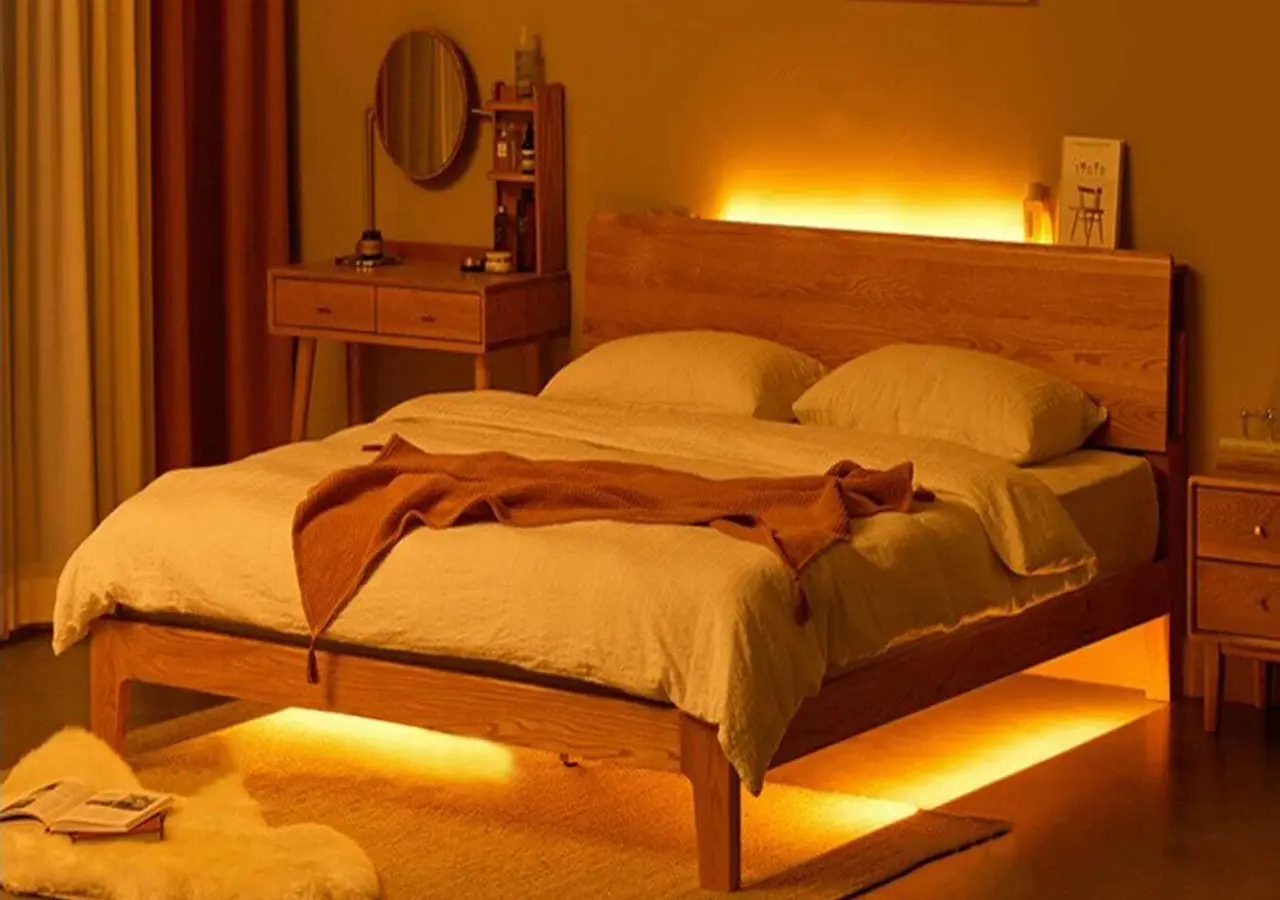
Indirect lighting serves many purposes, primarily emphasizing ambiance and soft illumination. Indirect ceiling and wall lighting can make rooms feel cozy and inviting. Inside kitchen cabinets, it provides subtle visibility without overpowering glare. In bathrooms, indirect lighting creates a calming atmosphere, perfect for unwinding. The car and boat industries use it to make night driving or sailing more comfortable. In hotels and restaurants, it creates a pleasant atmosphere, making meals more enjoyable. Indirect lighting in architectural designs highlights textures and creates depth.
Using Direct & Indirect Lighting Together
The mix of direct and indirect lighting meets both practical and mood-related needs. By combining these types, you can have precise task lighting and a cozy ambiance. Use direct lighting for reading in a living room setting. In contrast, indirect lighting softens the overall feel. You can adjust this mix to fit your needs and make a harmonious and lively space.
Types of Lighting Schemes
Direct Lighting
Direct lighting, aimed directly at a designated area, offers focused illumination. It is used in workplaces and art exhibits to add clarity and detail. It can control intensity and direction, making it useful in many situations.
Semi-Direct Lighting
Semi-direct lighting strikes a balance between focus and diffusion. It gives a softer light and clarity for specific activities, both focused and spread out. This type of lighting is commonly used in places where people work together. It combines both direct and indirect lighting.
Indirect Lighting
Indirect lighting creates a gentle, diffused effect by bouncing light off surfaces. This soft glow adds warmth and depth to spaces, promoting relaxation and well-being. This is a great option for living rooms, hotels, or places that need a calming atmosphere.
Semi-Indirect Lighting
Semi-indirect lighting mixes direct and indirect effects to create a soft blend of light. The lighting can highlight specific features and create a cozy atmosphere. This approach is versatile and can be used in many settings to achieve different goals.
General Lighting
General lighting is the main way a space is lit up, usually with indirect lighting. It creates a baseline brightness level, ensuring visibility without overpowering intensity. You can add different types of lighting to this basic layer to create a versatile lighting setup. It will suit various needs and styles.
Die richtige Wahl treffen
Room-by-Room Guide
Kitchen, Living Room, Office
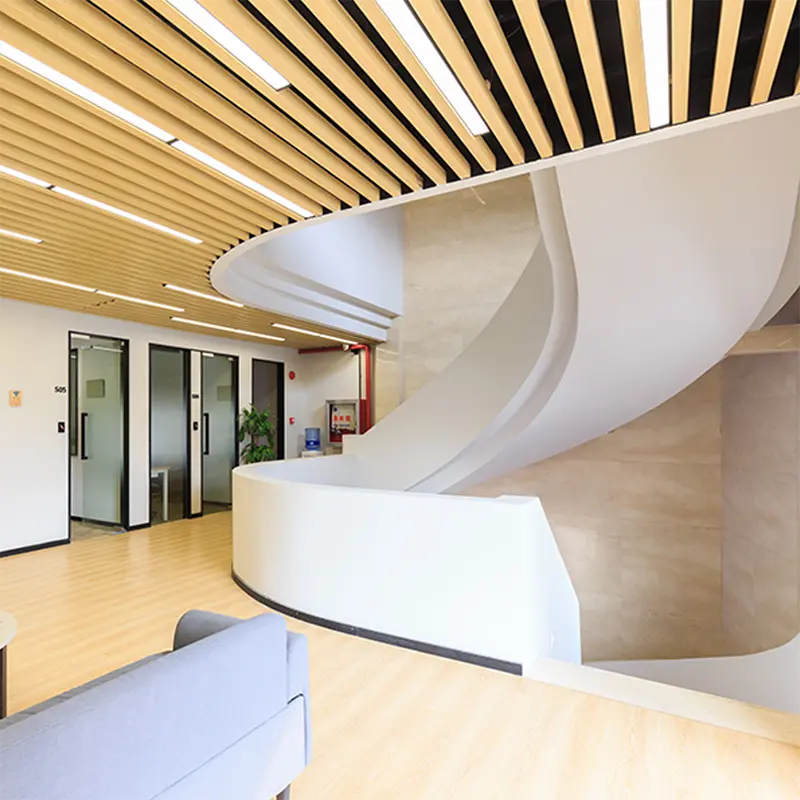
Each room in a home or office has distinct lighting requirements. Direct lighting brightens work areas in the kitchen, providing clarity for culinary tasks. You can shift the intensity with adjustable options to suit your cooking needs. Offices also benefit from direct lighting. Adjustable fixtures help with focus during work hours. Indirect lighting in living rooms creates a cozy atmosphere, great for relaxing or reading.
Budget Considerations
Cost of Installation
You should notice the financial aspect of lighting. Installation costs can vary widely based on the complexity and type of fixtures. Direct lighting might involve a more intricate setup, potentially increasing costs. In contrast, simple indirect lighting fixtures could be more budget-friendly. It is wise to consult a professional for an accurate estimate that fits your needs.
Maintenance Costs
Over time, the maintenance of your lighting system could significantly impact your budget. Indirect lighting has less exposed parts. This may lead to lower maintenance costs than direct lighting. When deciding, think about how easy it is to take care of and if it will last a long time. This could save you money later.
Best Strategies & Tips
Analyze the Nature of the Project
To choose the right lighting, first understand what your space needs. Consider the nature of activities that will occur in the space. Is ambiance or functionality more essential? To choose the right lighting, first analyze the space’s purpose. This will help balance beauty and usefulness.
Choosing the Right Bulbs
Opting for LED or other energy-efficient bulbs is eco-friendly and ensures optimal performance. These bulbs come in different colors, so you can adjust the room’s mood. The bulbs you choose can greatly affect the kind of lighting you desire. It can create a warm, cozy atmosphere or give you bright, clear light.
Integration with Smart Technologies
Embracing smart technology in lighting design adds layers of convenience and energy efficiency. You can control the lights from anywhere using smart controls. You can also schedule the lights to turn on and off automatically. Additionally, the lights can connect to other smart devices. This smart lighting makes it easier for you to adjust the lights to fit your lifestyle.
Professional Installation vs DIY
Deciding between hiring professionals or doing it yourself depends on your project’s complexity. Professional installation is safe, high quality, and meets regulations. DIY is good for simple projects. Consider the costs, time, and expertise needed to make a decision that suits your needs.
Placement of Fixtures
To get the desired effect, position lights properly to avoid shadows and glare. Working with an electrician to adjust lights ensures that every part of the room is well-lit. By strategically placing lights, you can improve how your space looks and functions. This creates a unified lighting experience and enhances the design.
Häufig gestellte Fragen
Is Indirect Lighting Better than Direct Lighting for Living Spaces?
It’s not necessarily about being better than the other, but rather what suits your needs. Indirect lighting creates a warm and comfortable atmosphere. Direct lighting gives focused light. People may prefer indirect lighting for living rooms to create a relaxed environment. Still, a blend of both can create an ideal balance.
Can I Use Indirect Lighting Outdoors?
Yes, you can use indirect lighting outdoors to create visually pleasing effects. You can use it to highlight architectural features. It can also create a gentle glow in outdoor entertainment areas. For weather-resistant fixtures and proper installation, it’s best to get professional guidance.
Which Lighting is Brighter- Direct or Indirect?
Direct lighting is brighter because it focuses on specific areas, providing stronger light. Conversely, indirect lighting diffuses the light, giving a softer glow. The brightness also depends on factors like bulb type and wattage.
How Do You Indirectly Light a Room?
You can use fixtures to create indirect lighting. The fixtures shine light up toward ceilings or walls. This bounces off surfaces, creating a soft and diffuse glow. To create this effect, you can use cove lighting, wall sconces, or indirect LED strips.
What Kind of Light is a Spotlight?
A spotlight is a type of direct lighting. It directs light to highlight art, architecture, or performers on a stage.
Does Indirect LED Cause Damage to the Eyes?
Indirect LED lighting is easier on the eyes because it doesn’t create harsh shadows or glare. To make sure your eyes are safe and comfortable, you need to consider the quality and design of LED bulbs.
What Type of Lighting is Most Efficient- Direct or Indirect?
Both types can be energy-efficient depending on the design and bulbs used. You can use LED or energy-efficient bulbs in direct or indirect lighting to save energy.
How to Identify Indirect Lighting?
Indirect lighting casts light on ceilings or walls instead of directly on objects. If the light source is hidden or spread out, it creates a soft, surrounding glow. This is called indirect lighting.
Is Light Through a Window Considered Direct Sunlight?
Direct sunlight occurs when sunlight enters a room through a window without any barriers. If the light filters through shades or reflects off other surfaces, it is more indirect.
How Can I Mix Direct and Indirect Lighting for a Harmonious Experience?
Combining direct and indirect lighting offers functional task lighting with a cozy atmosphere. Use direct lighting for tasks and indirect lighting for ambiance in specific areas. A professional consultation can tailor a perfect blend to suit your space and style.
Fazit
Direct Lighting vs. Indirect Lighting – Which One Is Better? The answer is multifaceted and depends largely on your unique needs and environment. Both options possess distinct characteristics that make them suitable for different applications.
Areas that require focus and precision excel with direct lighting. It’s great for places where tasks are done, like kitchens and offices. It gives clear light where you need it most. Soft, gentle lighting makes a cozy atmosphere that helps you relax and unwind. To have the best lighting, consider your needs, preferences, and what each space is for.
Every space is unique, so one approach won’t work for all situations. You can talk to a lighting expert or designer to create a solution that fits your needs. They can help you pick the perfect lighting design for your home or business. They make sure it fits the architecture and interior.
Lighting is more than just light; it’s an artistic tool that shapes our spaces and emotions. Select the appropriate lighting to create a space that is both useful and appealing, tailored to your needs and preferences. Make your lights shine bright, lighting up spaces and lives, filling your world with brilliance and warmth.
Discover the future of lighting with Unitop, a top LED-Leuchtbänder und LED-Neon-Flex maker in China. We are experts in LED lighting and can transform your space with the latest technology. If you have further questions or unique requirements, please Kontaktieren Sie uns. Let Unitop’s innovation light up your world!

Tom ist jetzt der Verkaufsleiter von Unitop (China) Co., Limited. Er war in der LED-Beleuchtung Industrie seit 2005. Er ist Experte für Vertrieb und Marketing sowie für Fabrikmanagement. Er mag Bodybuilding und ist außerdem ein verrückter Apple-Fan! Er ist ein fleißiger Kerl und liebt es, neue Dinge zu lernen und auszuprobieren.
E-Mail: tom@unitopledstrip.com WhatsApp: +86-18680307140



Hinterlasse einen Kommentar
An der Diskussion beteiligen?Hinterlasse uns deinen Kommentar!