
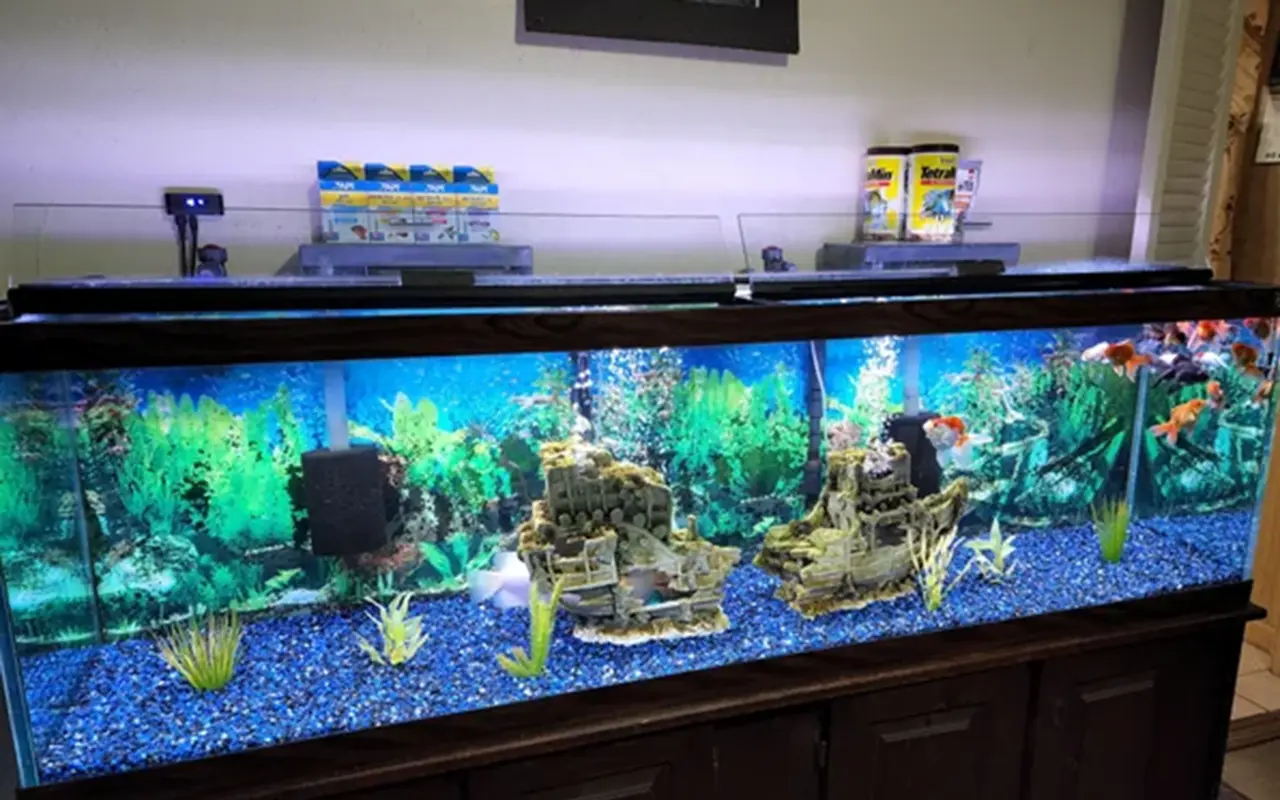
Exploring the perfect lighting for your fish tank can transform it from ordinary to extraordinary, setting the mood and enhancing the vibrancy of its inhabitants. Understanding the intricacies of aquarium lighting isn’t just about aesthetics—it’s about creating a healthy environment for your aquatic friends. Let’s dive into the possibilities and discover if LED strip lights are the right choice for your underwater oasis.
Yes, you can use LED strip lights in a fish tank to enhance its beauty and the well-being of its inhabitants. Opting for waterproof, energy-efficient LED lights designed for aquarium use ensures vibrant illumination, promotes plant growth, and supports fish health, all while being energy-conscious.
Stay tuned as we delve deeper into the nuances of selecting the ideal LED strip lights for your aquarium. From understanding the right spectrum and intensity to ensuring safe installation and maintenance, we’ve got the insights you need to illuminate your fish tank beautifully and responsibly.
Understanding Aquarium LED Strip Lighting
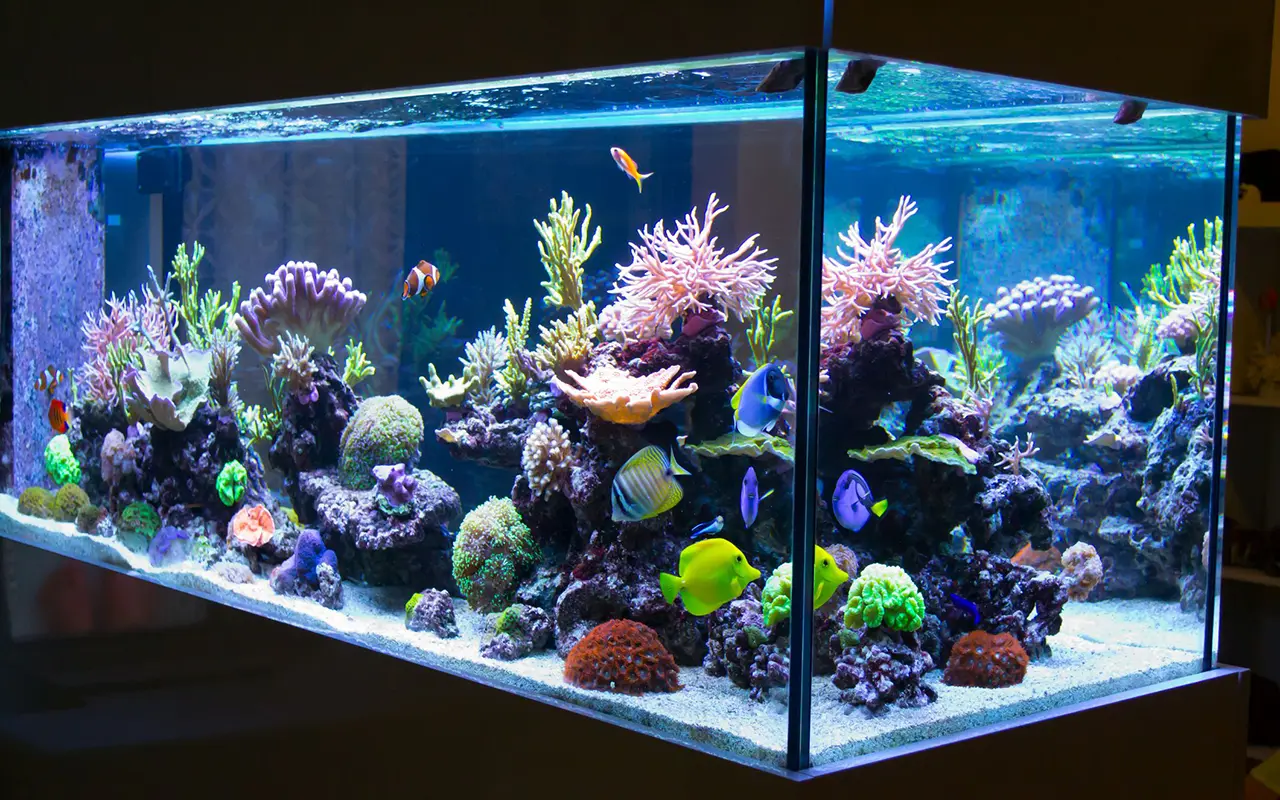
Why Choose LED Strip Lights for Your Aquarium?
When it comes to illuminating your aquarium, LED strip lights stand out for several compelling reasons. Their energy efficiency is unrivaled; these lights consume significantly less power compared to traditional aquarium lighting solutions like incandescent bulbs or fluorescent tubes. This not only helps reduce your electricity bills but also contributes to a more sustainable environment.
Moreover, the longevity of LED strip lights is a notable advantage. With a lifespan that can extend up to 50,000 hours, they far outlast other types of aquarium lighting, ensuring that you won’t need to replace them frequently. This durability translates into cost savings and less hassle over time.
However, perhaps the most striking benefit of LED strip lights is their ability to transform the visual dynamics of your aquarium. Available in a vast array of color spectrums, these lights can create vibrant, shimmering effects that mimic natural underwater environments, enhancing the overall aesthetic appeal of your tank. They also offer the flexibility to adjust brightness and color settings, enabling you to tailor the lighting to suit the specific needs and behaviors of your aquarium’s inhabitants.
Types of LED Strip Lights Suitable for Fish Tanks
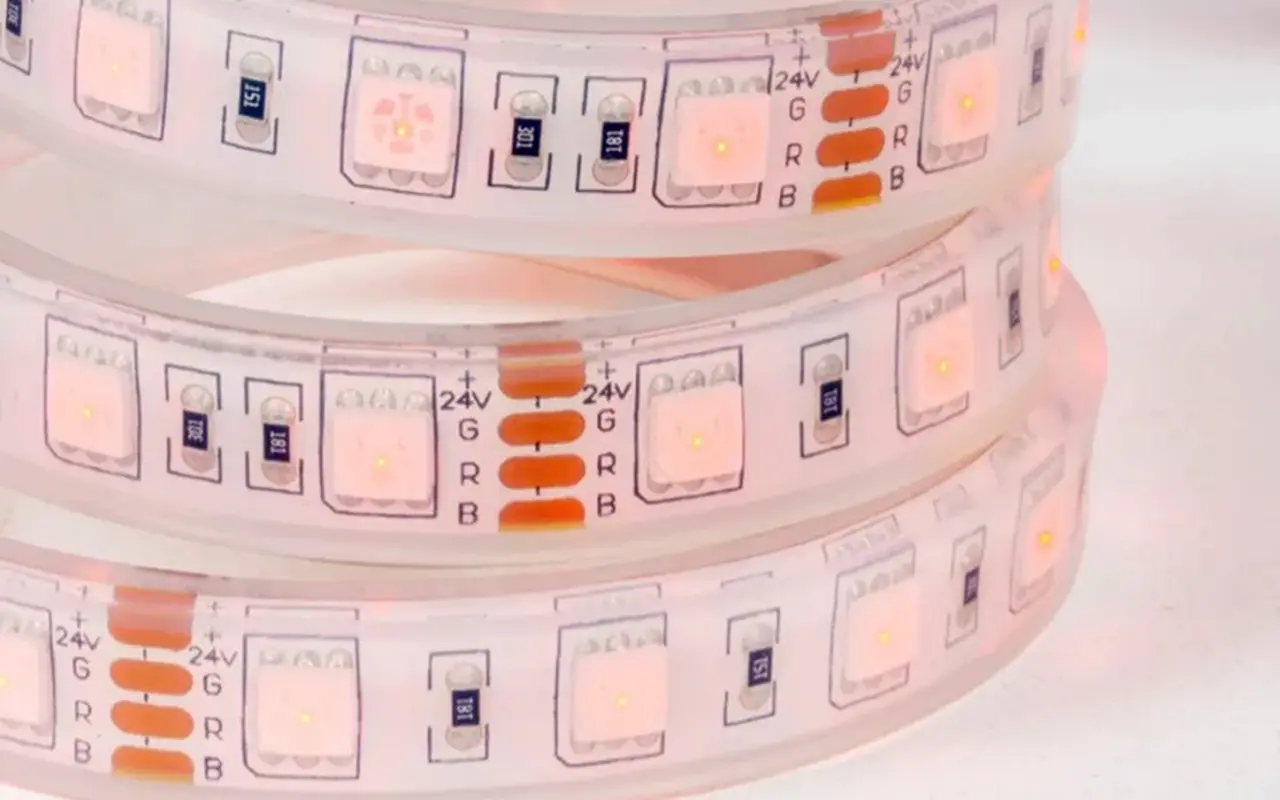
When selecting LED strip lights for your aquarium, it’s crucial to choose options that are specifically designed for aquatic environments. These lights come in various types, each with distinct features and benefits.
Waterproof LED strip lights are a must for any aquarium setting. They are typically rated with an IP (Ingress Protection) number, which indicates their level of resistance to water and moisture. For example, an IP67-rated or above LED strip light is completely protected against dust and can withstand temporary immersion in water, making it ideal for use in or around your aquarium.
Another important consideration is the light spectrum. Different organisms in your aquarium may require specific light spectrums for optimal health and growth. For instance, plants generally thrive under full-spectrum lights that simulate natural sunlight, while certain fish species may display more vibrant colors under specific color temperatures. LED strip lights are available in a range of spectrums, including blue, red, and full-spectrum white, allowing you to enhance plant growth and fish coloration effectively.
The Significance of Waterproof and Energy-Efficient LEDs
Choosing waterproof and energy-efficient LED strip lights is not only a practical decision for your aquarium’s aesthetics but also a crucial step for ensuring its safety and sustainability. Waterproof LEDs prevent any risk of electrical hazards associated with water exposure, which is particularly important in the humid environment of an aquarium.
Energy efficiency is another critical factor. LED lights consume far less power than traditional lighting options, which is beneficial for both the environment and your wallet. By opting for energy-efficient LEDs, you can maintain a brightly lit aquarium without the burden of excessive electricity consumption. Additionally, the lower energy consumption of LEDs results in less heat production, thereby reducing the risk of overheating your aquarium and causing discomfort or harm to its inhabitants.
In summary, incorporating LED strip lights into your aquarium setup offers a multitude of benefits, from aesthetic enhancements to energy savings and safety features. By understanding these advantages and selecting the appropriate types of LEDs, you can create a visually stunning and healthy environment for your aquatic life.
Safe Installation of LED Strip Lights in Aquariums
Step-by-Step Guide to Installing LED Lights
Installing LED strip lights in your aquarium can significantly enhance its appearance and the well-being of its inhabitants. However, it’s crucial to follow a methodical approach to ensure the installation is safe and effective. Begin by determining the length and placement of the LED strips you need based on the size of your aquarium and the type of aquatic life it houses. Measure the area carefully to avoid excess length that could clutter the space or insufficient coverage that might lead to uneven lighting.
Before starting the installation process, clean the surface where you’ll attach the LED strips to ensure they adhere properly. Any dirt or residue can weaken the adhesive, increasing the risk of the lights detaching and falling into the water. It’s also essential to plan the layout of your LED strips, considering the distribution of plants, rocks, and other decorative elements in your tank to achieve balanced lighting.
Once you’re ready to install the lights, peel off the adhesive backing and press the strips firmly against the designated surface. If you’re using LED strips inside the aquarium, ensure they are fully submersible and intended for underwater use. For external installations, position the lights to optimize their effect on the tank’s interior while minimizing direct glare that could be disruptive for both the fish and observers.
Choosing the Right Location and Adhesive
The placement of LED strip lights can significantly impact their effectiveness and the overall ambiance of your aquarium. Ideal locations depend on your aquarium’s layout and the needs of its inhabitants. For instance, placing lights towards the back can create depth and highlight background plants or decorations, while positioning them overhead can enhance overall brightness and color vibrancy.
Selecting the right adhesive is crucial for securing the LED strips. For installations outside the tank, use strong, water-resistant adhesives that can withstand humidity and temperature fluctuations. In the case of underwater installations, opt for adhesives specifically designed for aquarium use, ensuring they are safe for aquatic life and provide a durable bond in wet conditions.
Ensuring Proper Waterproofing Techniques
Proper waterproofing is vital, especially for LED installations inside the aquarium. Even for external installations, safeguarding against moisture is essential to prevent damage and ensure longevity. If you’re using non-waterproof LED strips externally, ensure they are placed in a location where they won’t come into contact with water or splashes.
For internal installations, it’s imperative to use waterproof LED strip lights rated for underwater use. Additionally, consider reinforcing the seals at the ends of the strips and around any connections to further protect against water ingress. Regularly inspect your waterproofing measures to identify and address any potential vulnerabilities, ensuring your lighting remains safe and functional over time.
Electrical Safety for Aquatic Lighting
Electrical safety is paramount when integrating LED strip lights into your aquarium setup. Always use lights and accessories that are rated for aquatic use and adhere to the recommended voltage and power requirements to avoid overheating or short circuits.
When setting up your lighting, ensure all electrical connections are secure and away from water. Utilize drip loops on all power cords to prevent water from traveling along the cord and reaching the electrical outlet. If your installation includes any components that require direct handling or adjustments, always unplug the equipment before interacting with it to eliminate the risk of electric shock.
Regularly inspect your lighting system for any signs of wear, damage, or exposed wires. If you notice any issues, address them promptly to maintain a safe environment for your aquarium’s inhabitants. By following these guidelines, you can enjoy the benefits of LED strip lighting in your aquarium while ensuring the safety and well-being of its aquatic life and your home.
The Aesthetic Appeal of LED Lighting in Aquariums
Customizing Your Aquarium Lighting Scheme
Aquarium lighting is not just about illumination; it’s an art that enhances the beauty and vibrancy of your aquatic habitat. With LED strip lights, you have the flexibility to create a customized lighting scheme that reflects your unique style and meets the specific needs of your aquarium’s inhabitants.
Start by considering the mood you want to evoke. Do you prefer a serene, calming ambiance or a vibrant, lively setting? The choice of color temperature and hue plays a pivotal role here. Warm whites can create a soothing environment, while cooler tones can mimic the natural light of a sunny day. Multicolored LED strips offer a palette of possibilities, allowing you to highlight certain features of your tank or create themed lighting for holidays and special occasions.
Adjustability is another advantage of LED strip lights. Many models come with controllers that let you adjust brightness and color, enabling you to change the atmosphere of your tank at the touch of a button. Consider incorporating a timer to automate your lighting scheme, simulating a natural day-night cycle that benefits both fish and plants while adding a dynamic visual element to your setup.
The Impact of LED Lighting on Fish and Plant Coloration
The right lighting can make the colors of your fish and plants pop, creating a stunning visual display. Different species respond to various light spectrums, which can enhance or mute their natural colors. For instance, blue light tends to accentuate blues and greens, making it ideal for fish with these hues or for promoting the growth of certain aquatic plants.
Red light, on the other hand, can enhance the warm colors of your fish and stimulate the flowering of plants. It’s important to strike a balance, though, as too much red light can promote algae growth. Combining different spectrums can provide a broad range of benefits, from promoting plant health to showcasing your aquarium’s colors in their best light.
When selecting LED lights, consider the specific needs of your aquarium’s inhabitants. Some fish species thrive under certain light conditions, and the same goes for plants. Research the natural habitats of your aquatic life and try to mimic those lighting conditions to create the most beneficial and visually appealing environment.
Creating Lighting Effects for Aquatic Environments
LED strip lights offer endless possibilities to create engaging and dynamic lighting effects in your aquarium. For example, you can use them to simulate the gentle flow of sunlight through water, creating a dappled effect that mimics a natural aquatic environment. This not only adds visual interest but also provides a more stimulating environment for your fish.
Consider using LED strips to create a moonlight effect for nighttime viewing. This can be particularly mesmerizing and offers a new perspective on your aquarium’s inhabitants, many of whom exhibit different behaviors when the main lights are dimmed.
Experiment with positioning and layering LED strips to achieve different effects. Placing lights at the back or sides of the tank can create depth and highlight specific areas, while overhead lighting can bring out the tank’s overall vibrancy. You can even use waterproof LED strips inside the tank to illuminate specific features, like a piece of driftwood or a rock formation, creating focal points that draw the eye.
By understanding the potential of LED lighting, you can transform your aquarium from a simple fish tank into a captivating underwater landscape, enhancing the natural beauty of its inhabitants and creating a dynamic visual experience for all who view it.
LED Lighting Best Practices for Aquatic Health
Ideal Light Spectrum for Aquatic Plants and Fish
The ideal light spectrum for your aquarium is pivotal for the health and growth of its inhabitants. Aquatic plants typically require light within the 400-700 nanometer range, mirroring the spectrum available from natural sunlight. This range promotes photosynthesis, which is essential for plant growth and oxygen production and, in turn, benefits fish and other organisms within the tank. For fish, the correct spectrum can enhance natural coloration, reduce stress, and mimic their natural environment, which can be especially important for species sensitive to light conditions.
Different LED lights offer varied spectrums, and understanding these can help tailor your aquarium’s lighting to your specific needs. For instance, blue light is beneficial for promoting coral growth in reef tanks, while freshwater plants often thrive under full-spectrum white LEDs that simulate daylight. Reducing blue light in the evening can simulate sunset, providing a more natural environment for your tank’s inhabitants and potentially improving their sleep cycles and overall well-being.
Monitoring and Adjusting Light Intensity and Duration
Consistent monitoring and adjustment of your aquarium’s lighting are crucial for maintaining the health of its ecosystem. Too much light can lead to excessive algae growth, while insufficient light may hinder plant growth and affect fish behavior. Most aquatic plants thrive under 8-10 hours of light per day, mimicking the natural light cycle, although this can vary based on specific plant species and their light requirements.
Using timers can automate the lighting schedule, ensuring consistency and removing the need for manual intervention. It’s also beneficial to observe your tank’s response to lighting changes over time; for instance, if you notice algae growth, you might reduce the light intensity or duration. Similarly, if plants show signs of poor growth or pale leaves, they might require more light.
Balancing Aesthetic Appeal with Biological Needs
While the visual appeal of LED lighting in your aquarium is important, it should never come at the expense of the health and well-being of its inhabitants. The goal is to achieve a balance that meets the biological needs of your fish and plants while also creating an aesthetically pleasing environment.
To find this balance, consider the natural habitats of your aquarium’s residents and try to replicate those light conditions as closely as possible. For example, fish from shallow, sunny environments might appreciate brighter, more intense light, while species from deeper or shaded waters may prefer dimmer conditions. Similarly, the light needs of plants can vary significantly depending on their native habitats and should guide your lighting choices.
By thoughtfully selecting and adjusting your LED lighting, you can create an environment that is both visually stunning and conducive to the health and vitality of your aquarium’s ecosystem, ensuring its long-term success and enjoyment.
Konklusion
In summary, the transition to LED strip lights in your aquarium is a step toward a more vibrant, healthy, and sustainable aquatic hobby. By carefully considering your choices, implementing best practices, and staying abreast of new developments, you can maximize the benefits of LED lighting for your aquarium and contribute positively to the broader aquarium community.
Dive into the future of aquarium lighting with Unitop, a leader in China’s LED industry known for top-tier LED lysbånd og LED neon flex. Elevate your aquarium experience with our expertly crafted products and personalized support. For any inquiries or needs, Opret forbindelse til Unitop—where innovation meets excellence. Illuminate your aquatic world; contact us now and embark on a transformative journey with Unitop’s LED solutions.

Tom er nu salgschef for Unitop (Kina) Co, Limited. Han har været i LED-belysning industrien lige siden 2005. Han er ekspert i salg og marketing samt fabriksledelse. Han kan lide bodybuilding, og han er også en vild Apple-fan! Han er en hårdtarbejdende fyr og elsker at lære og prøve nye ting.
E-mail: tom@unitopledstrip.com WhatsApp: +86-18680307140



Skriv en kommentar
Vil du deltage i diskussionen?Du er velkommen til at bidrage!